

Future Urban Trends is an event that explores how new technologies and innovation are transforming urban challenges into opportunities.
Autonomous driving, carbon-negative construction, water management and last-mile logistics.
Future Urban Trends:
Thursday, 26 March 2026 — 2:00 p.m. to 8:00 p.m.
OGR Torino — Binario 3
Corso Castelfidardo 22, Torino
The best of international urban tech in Italy's capital of innovation.
Dopo il successo delle prime due edizioni, Future Urban Trends torna per il quarto anno consecutivo alle OGR, il principale hub italiano per l’innovazione e l’accelerazione d’impresa.
An event to explore the connections between technology, cities and the future.
An afternoon to discover the latest trends and meet innovators, start-ups, and international companies.
Four trends, four prominent keynote speakers, a session with industry experts and an afternoon of B2B meetings to foster new business opportunities.
The most innovative trends in urban tech and city making
4 Keynote Speech with international guests
1 panel with experts, innovators and startup accelerators
1 day of 1:1 meetings to create professional connections
Networking Aperitif
Business Matching 1:1:
companies meet the experts
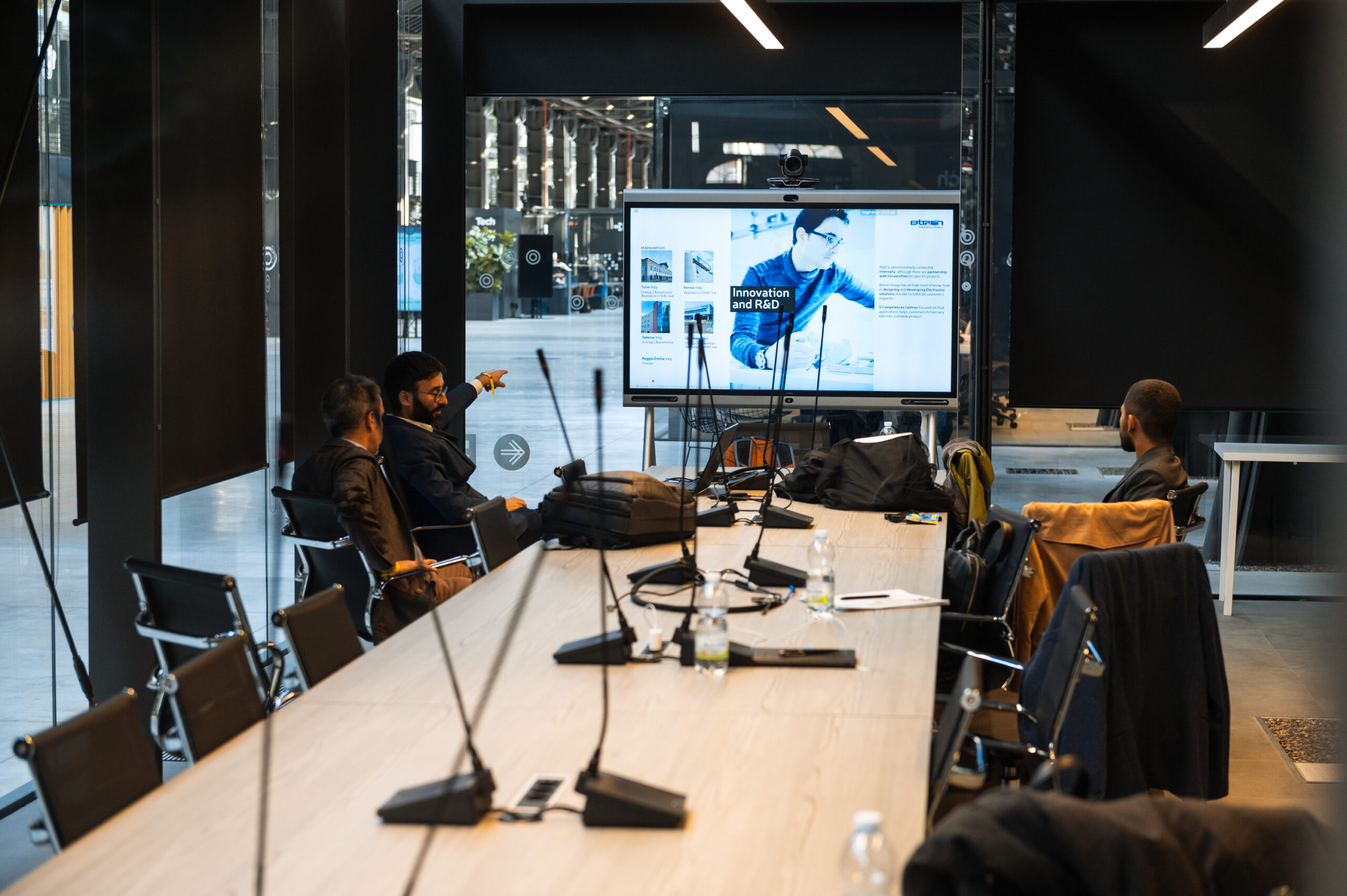
A closed doors side event during the Future Urban Trends at OGR. A unique opportunity to establish new business relationships with influential national and international companies through 15-minute 1:1 meetings.
Business Matching by booking only
The 2026 Guests
#1

Lisa Johnson
STARSHIP
Last Mile
Robotics
Urban logistics is changing scale. A fleet of zero-emission autonomous robots to free the roads from commercial traffic and rethink the last kilometre.
#2

Allison Dring
MADE OF
AIR
Carbon Negative Materials
Reversing the carbon cycle. Materials capable of storing CO2 to transform the built environment into a climate resource.
#3

Anne Marieke Eveleens
THE GREAT BUBBLE BARRIER®
Waterways Regeneration
Stopping pollution at source. Smart technologies for protecting urban waterways.
#4

Iskandar Tange
CODING THE CURBS
Digitizing
the Street
From static streets to flexible spaces. Digital technology is reshaping the use of public land.
Experts Talks
The afternoon session of Future Urban Trends @ OGR Torino 2026 will also host some of the leading figures in the Italian debate on innovation.
A open discussion looking to the future with venture capitalists, pioneers in artificial intelligence, entrepreneurs and prominent institutional figures.
The panelists

Emilia Garito
Founder di Quantum Leap

Fabio Pammolli
Presidente Fondazione AI4I
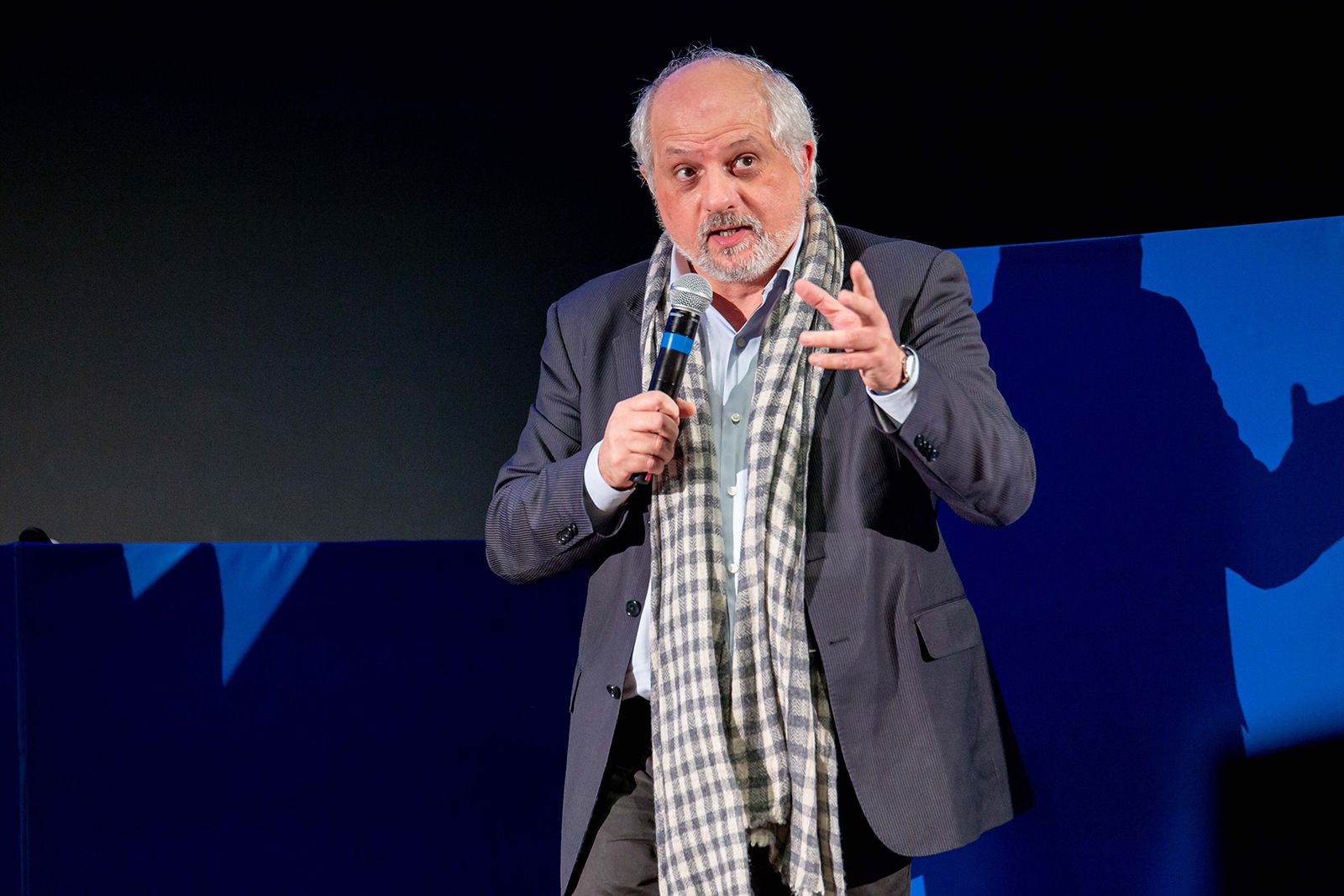
Emil Abirascid
Direttore di Startupbusiness

Paola Amendola
Chief Marketing Officer di IZILab
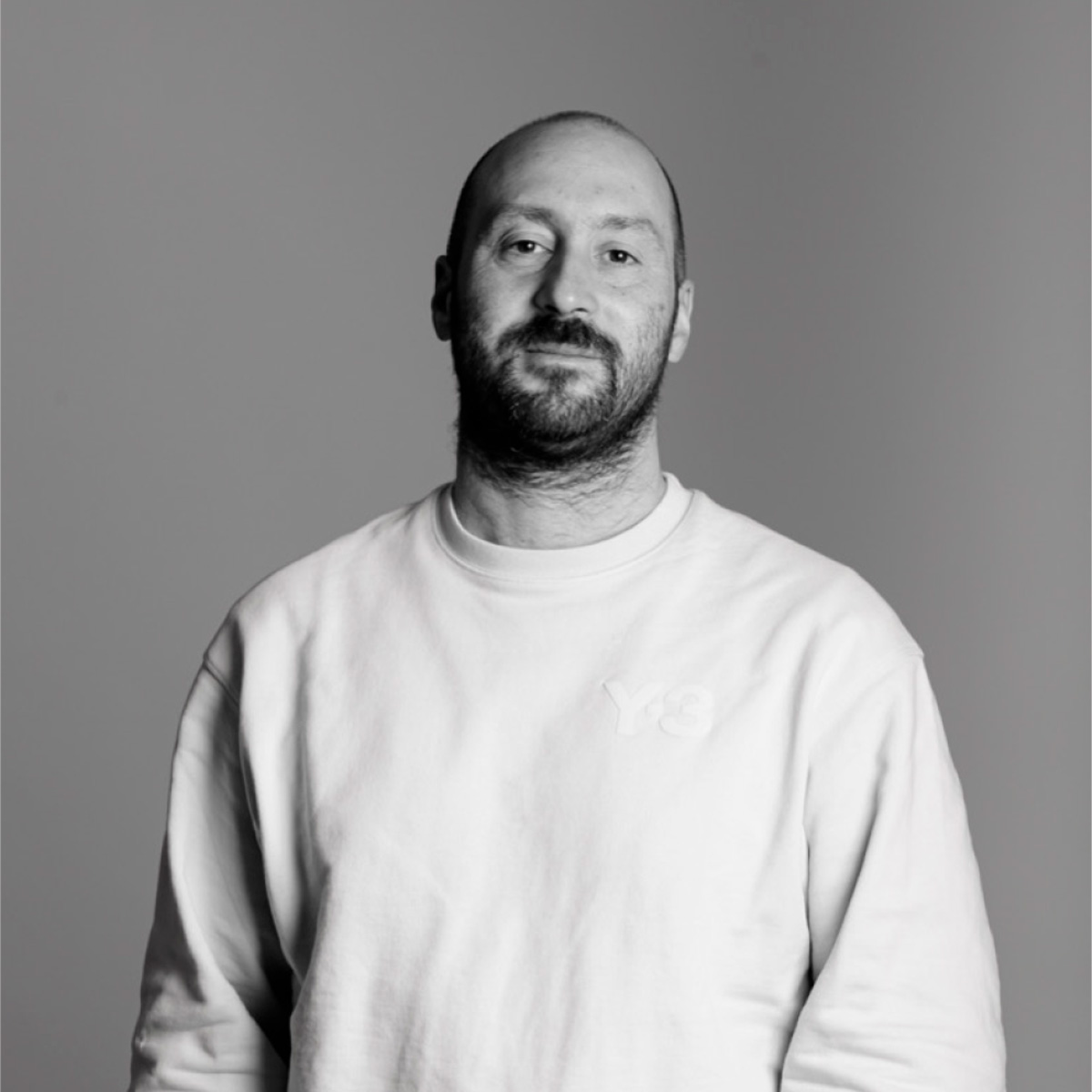
Moderators and talk hosts

Il programma (COMING SOON)
The 2026 Trends
#1 Last-Mile Robotics
KEYWORD
Artificial Intelligence
Robotics
Logistics
City
San Francisco
Tallinn
The explosion of e-commerce has saturated urban streets.
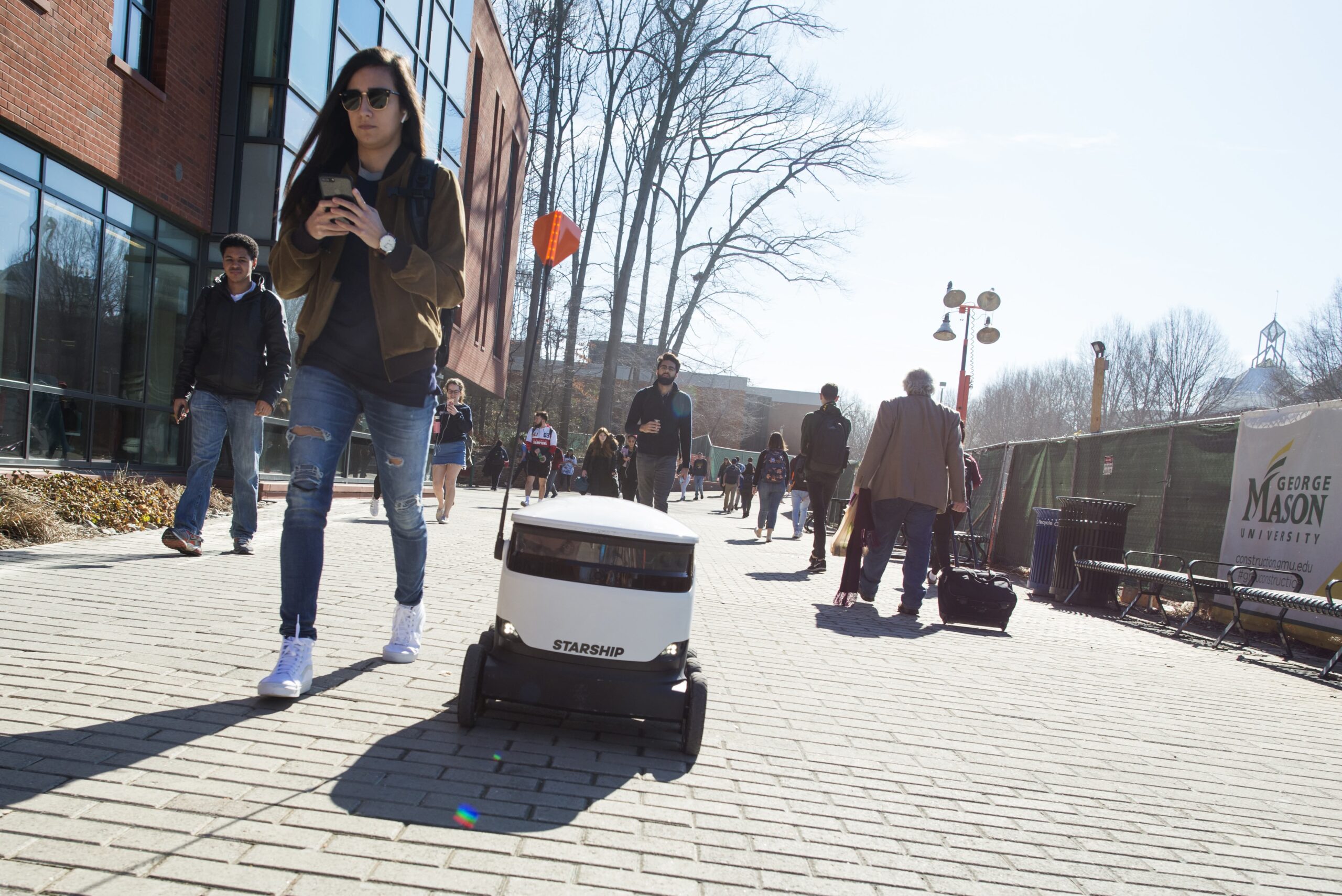
The answer to congestion is not to add more vehicles, but to reduce their size. Last-Mile Robotics moves logistics from the road to the pavement, introducing fleets of autonomous, lightweight and silent devices. An invisible revolution that promises to eliminate local emissions and streamline commercial traffic, but raises new and urgent questions about design and coexistence in pedestrian spaces.
GUEST DI FUTURE URBAN TRENDS 2026

Imagine cities where congestion caused by delivery vans is just a memory. Starship Technologies transforms this vision into operational infrastructure.Founded by the co-creators of Skype, the company has introduced a radical solution for local delivery: small, self-driving electric vehicles designed to travel on pavements.
With millions of commercial deliveries already completed, Starship poses an immediate urban challenge: the redefinition of pedestrian space. Their robots, capable of mapping the environment and navigating safely among pedestrians, suggest a new coexistence between automation and public life, offering a scalable response to pollution and the inefficiency of traditional logistics.
#2 Carbon-Negative Materials
KEYWORD
Development
Design
Climate resilience
City
Berlin
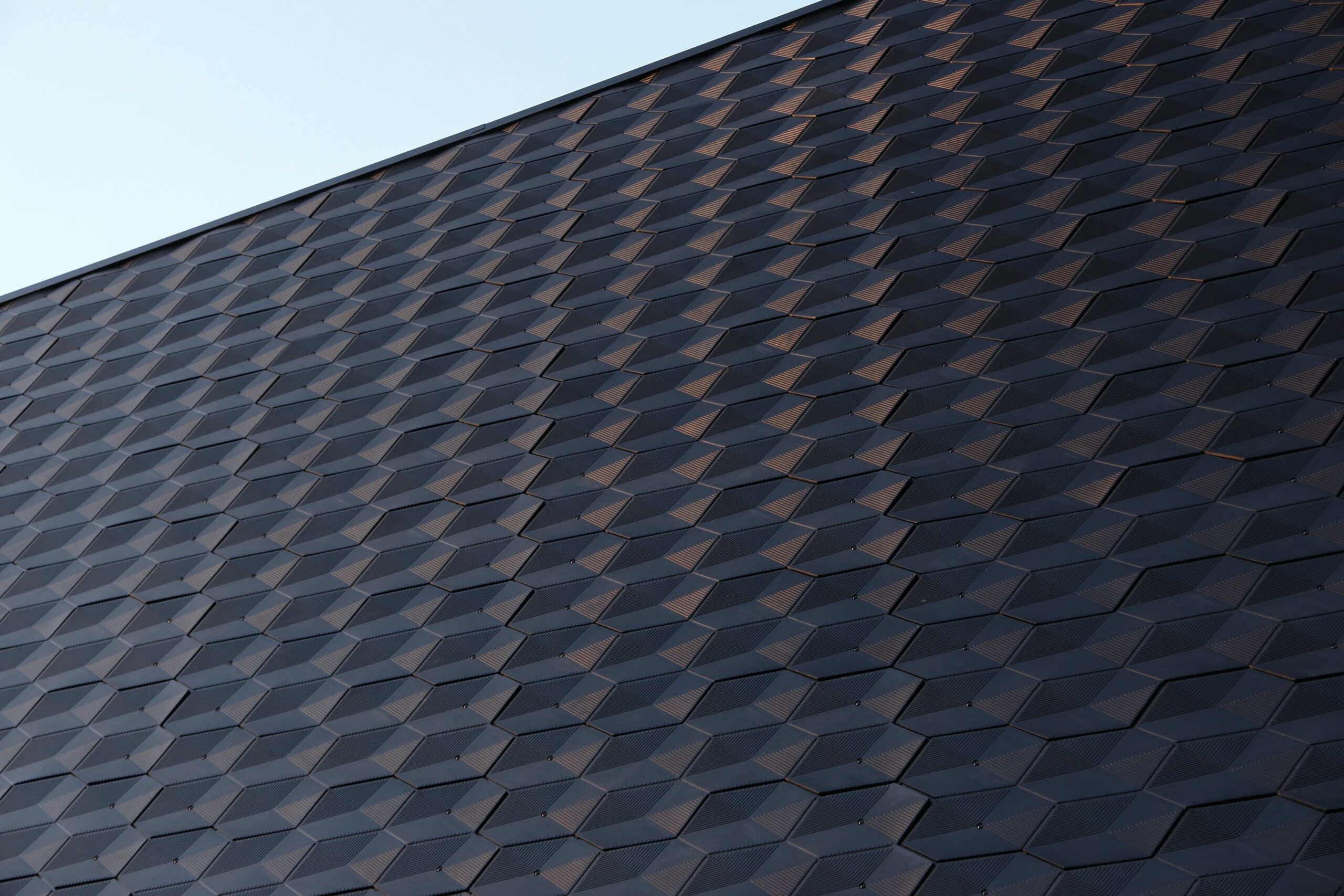
It is no longer enough to limit damage; we need to reverse course. The future of construction lies in carbon-negative materials, which can permanently store more CO2 than is emitted to produce them.
By transforming biomass waste into sustainable resources, buildings are transformed from contributors to the climate crisis into active agents of atmospheric regeneration. The built environment thus becomes a carbon sink, as functional as a forest.
GUEST DI FUTURE URBAN TRENDS 2026

Building cities that don't just reduce emissions, but actively remove them from the atmosphere. Made of Air combats climate change by transforming wood waste and biomass into negative-emission materials. Their proprietary technology converts waste matter into biochar, a high-carbon material, to create durable and functional thermoplastic compounds.
These advanced materials replace fossil-based plastics and aluminium in construction and consumer goods, permanently storing more CO2 than they emit during their entire life cycle. A radical approach to decarbonising industrial supply chains on a large scale and transforming the built environment into an active carbon sink.
#3 Waterways Regeneration
KEYWORD
Waterways
Green-Blue infrastructures
City
Amsterdam
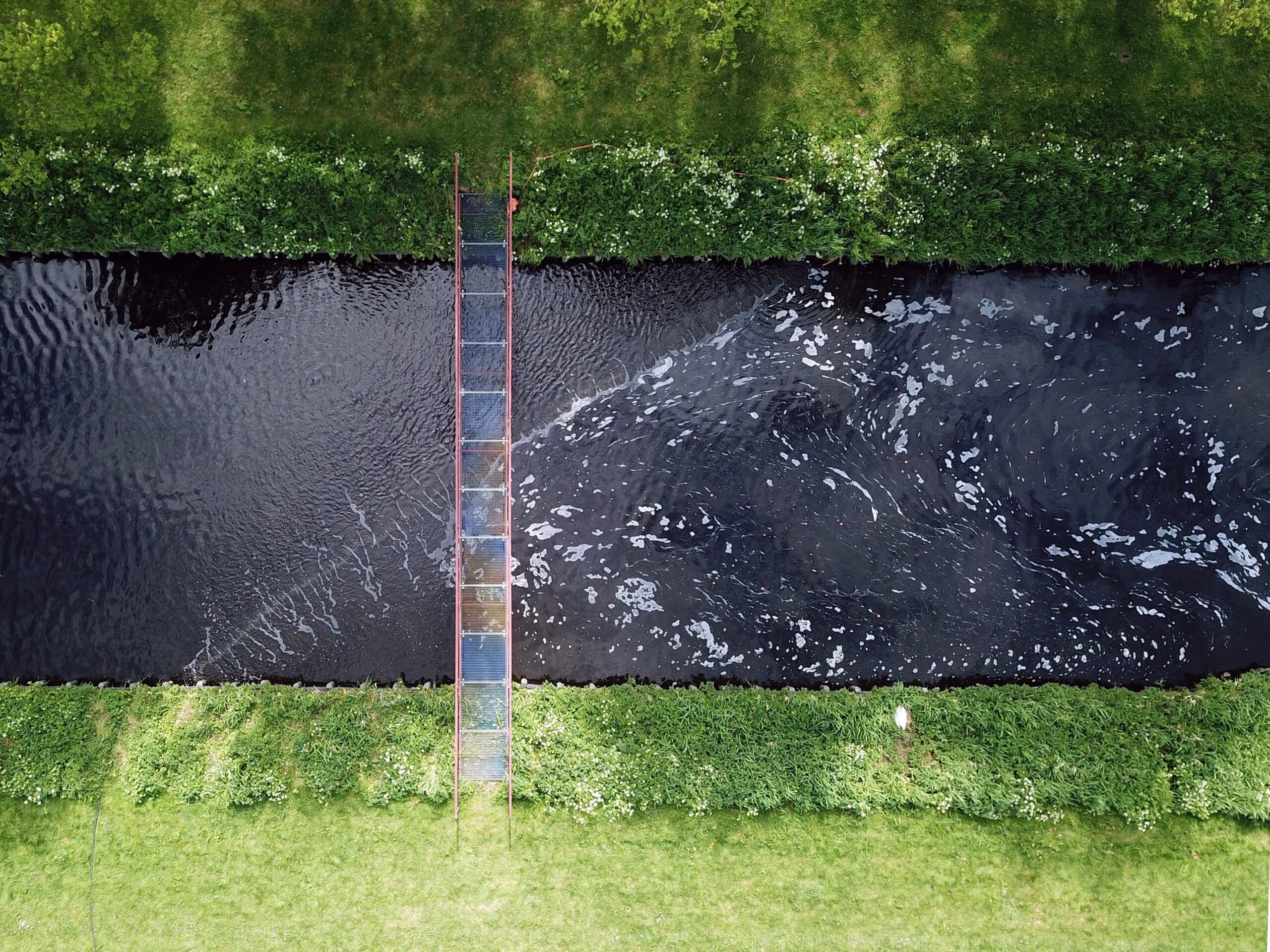
The rivers that flow through our cities are the main carriers of plastic to the oceans. Intercepting this flow before it reaches the sea is the ecological challenge of the decade.
River plastic interception's new technologies act as dynamic filters, using fluid physics and non-invasive systems to capture waste without hindering navigation or wildlife.
An approach that restores the ecological function of waterways, integrating environmental cleanliness into the daily metabolism of the city.
GUEST DI FUTURE URBAN TRENDS 2026

80% of the plastic polluting our oceans comes from rivers. The Great Bubble Barrier has developed an elegant solution to intercept this flow before it reaches the sea: a curtain of air bubbles that blocks plastic waste while allowing fish and boats to pass freely.
Created in Amsterdam by three sailors and an environmental engineer, this technology uses the natural movement of water to divert waste towards a side collection system. Operating 24/7, it offers cities a practical tool for cleaning up their blue arteries, protecting the marine ecosystem without impacting navigability or wildlife.
#4 Digitizing the Street
KEYWORD
Public Spaces
Logistics
Digitalisation
City
Amsterdam
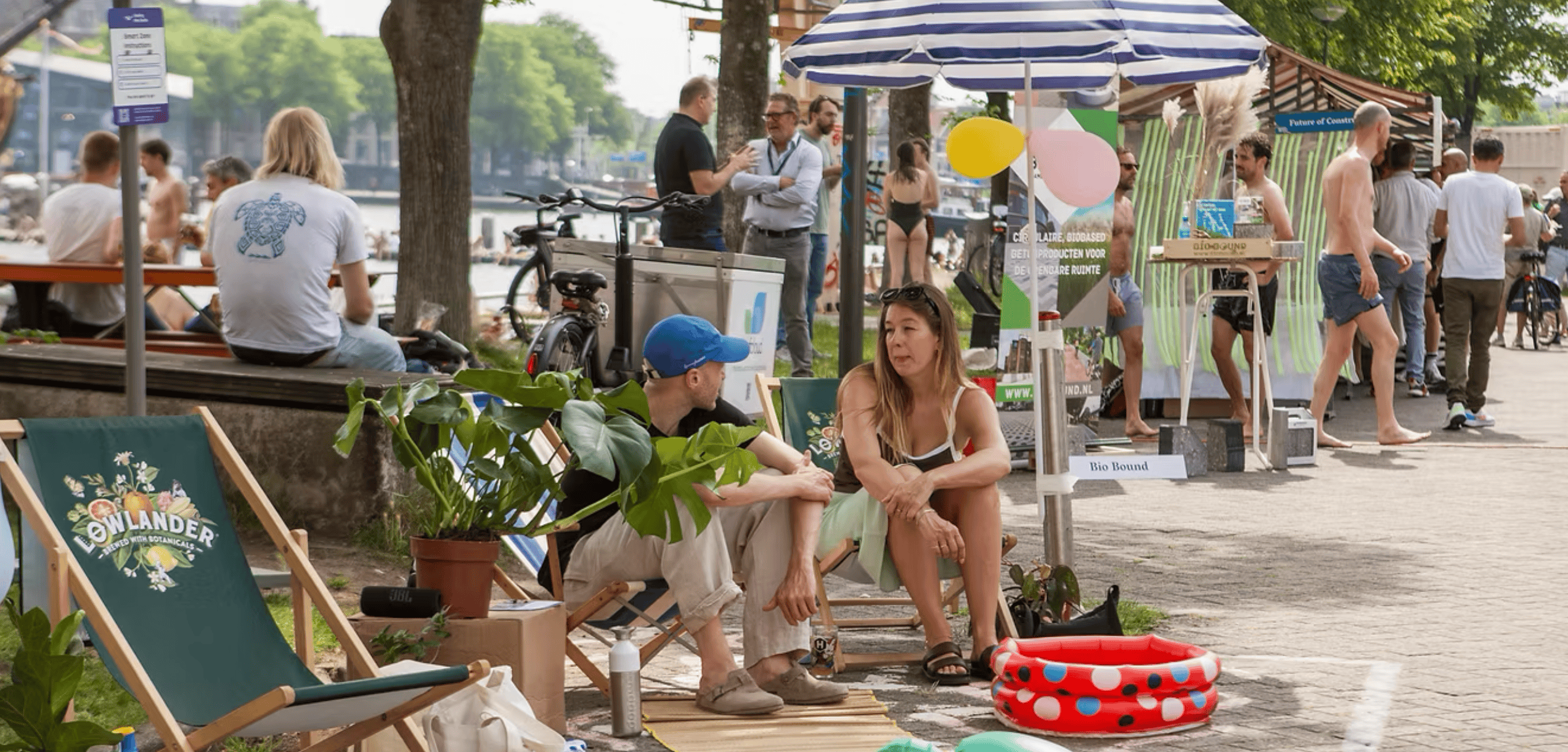
For a century, we have managed roads with paint and fixed signs. Today, the rigidity of the road is giving way to the fluidity of data. Digitising the Street means applying digital intelligence to physical infrastructure: loading, parking and transit zones become programmable, changing their function based on the time of day and actual demand.
Data-driven management that optimises logistics flows and recovers valuable square metres for urban liveability.
GUEST DI FUTURE URBAN TRENDS 2026

The sidewalk is the new frontier of urban conflict. Between deliveries, parking and soft mobility, space is becoming increasingly scarce. Coding the Curbs offers a digital solution to transform the static management of roadside margins into a dynamic and flexible system. By creating bookable 'Smart Zones', their platform allows couriers to reserve loading and unloading spaces, eliminating double parking and reducing traffic.
Born from a collaboration between urban designers and logistics experts, the project brings intelligence back to road infrastructure. By optimising logistics flows, Coding the Curbs frees up valuable space for citizens, demonstrating how data can transform a congestion problem into an opportunity for liveability.
A project by

with the contribution of


IN COLLABORAZIONE CON

con il patrocinio di

con il SUPPORTO di

Communication partner


NETWORKING partner



Media partner